

Collaboration with a publisher is always more than a formal arrangement — it is a meeting of two visions, two worlds that recognize themselves within the same story.
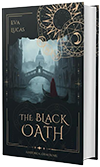
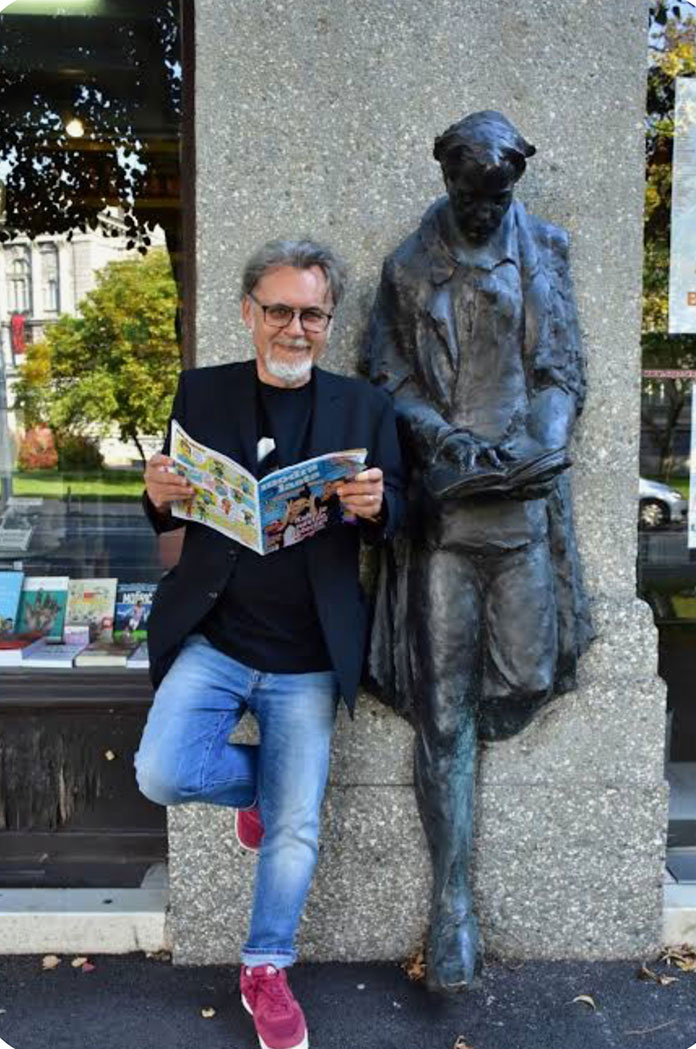
In the case of the novel Vrata Iskupljenja ( The Black Oath), that collaboration found its ideal home in the publishing house Media Bar d.o.o. and its founder, long-time media professional and editor, Neven Kepeski.
Neven Kepeski is one of those names spoken in Croatian publishing with a natural sense of respect. As a journalist, editor, and media author, he has spent years shaping cultural and media content, while through Media Bar he has distinguished himself as a man with a finely tuned instinct for stories with weight, atmosphere, and resonance. What sets him apart is not only his professional experience but his ability to recognize an authentic voice — whether it emerges from classic literature, contemporary prose, or biographical writing.
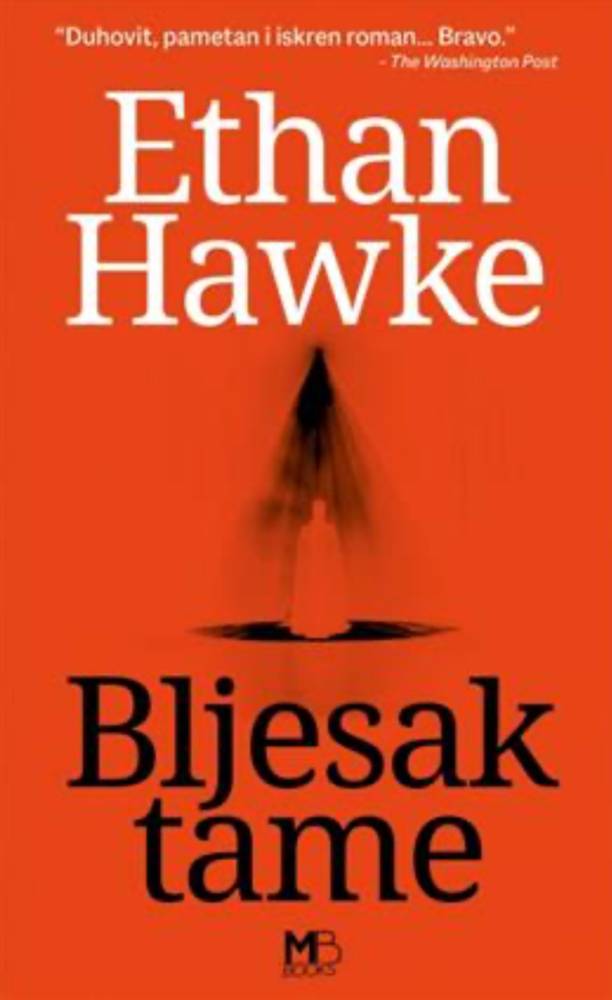
Under his editorial and publishing guidance, Media Bar has released works by prominent Croatian and international authors, including titles such as Theatre, by W. Somerset Maugham, Ash Wednesday by Ethan Hawke, Think Like an Artist by Will Gompertz, Oliver – A Trace in Eternity by Zlatko Gall, and From Underground Zagreb by Ivan Šibl. Each of these books carries the unmistakable stamp of his editorial aesthetic — a blend of quality, authenticity, and clear artistic value.
Within this context, the decision for Media Bar to publish the trilogy ( Vrata Iskupljenja) – The Black Oath – The Secret Order – The Last Relic was not only professionally sound, but almost inevitable. From his very first encounter with the manuscript, Kepeski recognized the strength of this historical tale from 1796 — its documentary depth, emotional density, and the atmosphere of Istria, a region that lives suspended between history and enchantment.
His editorial approach is marked by patience, deep respect for the author’s voice, and a commitment to presenting the book at a level worthy of its significance. Through this collaboration, the novel reached its final form — precise, refined, and true to the era it evokes.
For the author, Katja Restović, working with Neven Kepeski represents more than publishing; it is a confirmation that stories can be recognized, understood, and supported in a place where artistic courage and cultural value are genuinely appreciated.
For the novel, it means entering the literary world through the doors of a strong, dedicated, and professional publishing house. And for the towns and histories preserved within the trilogy — it means their voices, landscapes, and legends will remain recorded and accessible to generations of readers.