

The Town That Existed Before the Novel
There are towns that come later. And then there are towns that have been there from the very beginning. For me, Vrsar was first and foremost childhood. A warm, gentle, comforting place where my early years unfolded.
Three brothers lived there, along with Aunt Markita, my father Tončo’s sister. My grandmother Katica was there too — the center of everything. My mother worked in Vrsar, and we often took the bus to visit her. My cousin Boris lived there as well, two years older than me, with whom I spent summers, games, and those carefree hours that today feel worth their weight in gold.
Whenever I pass through Vrsar today, the same image always returns.
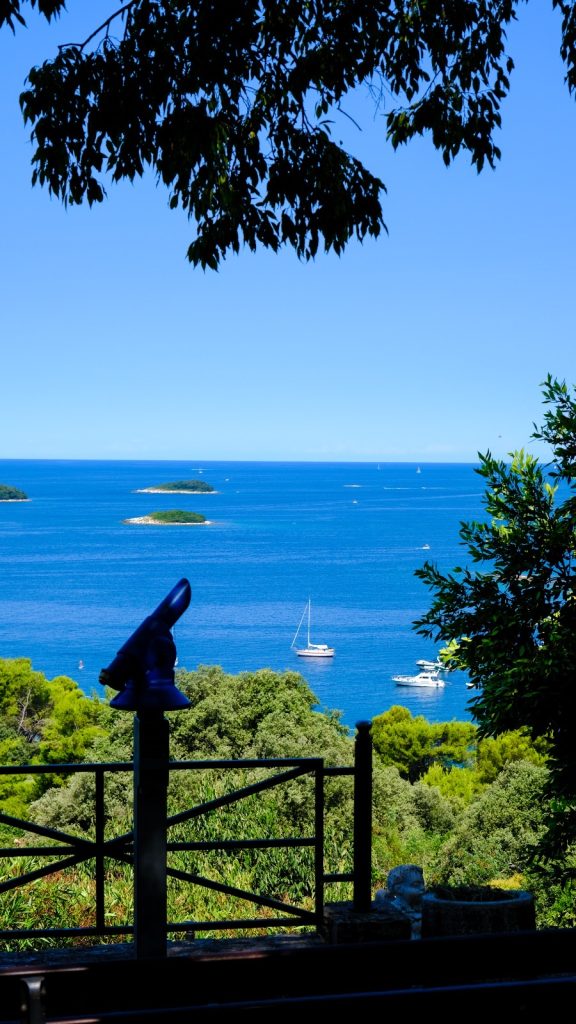
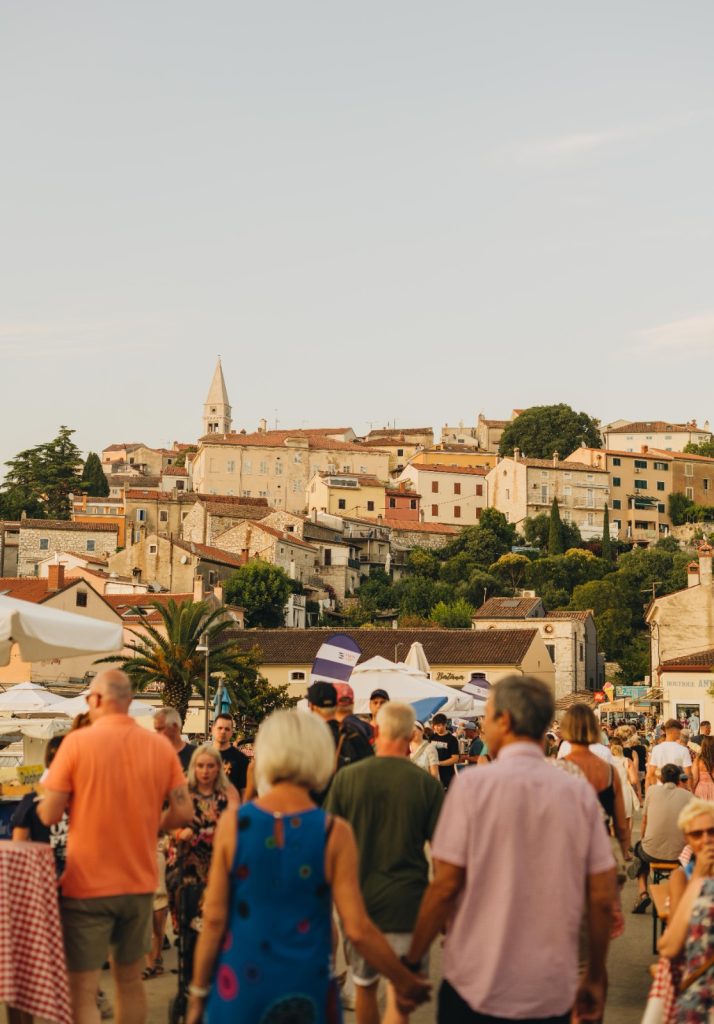
The long uphill road. Wooden flat boards laid across chairs and benches under the sun. Tomatoes drying for preserves. Elderly women sitting nearby, waving flies away from them. That thick, baked scent of summer. The Mediterranean carrying a fragrance that feels almost Italian, even Sicilian. The sun that stays not only on your skin, but even more in your memory. The breathtaking view from the lookout point. Romantic, dimly lit narrow stone alleys in the old heart of Vrsar.
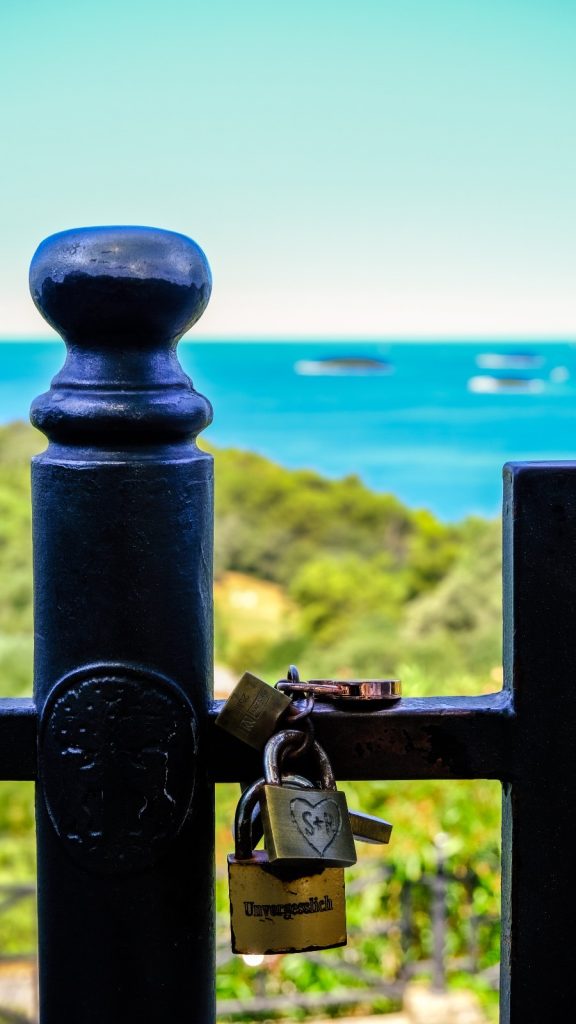
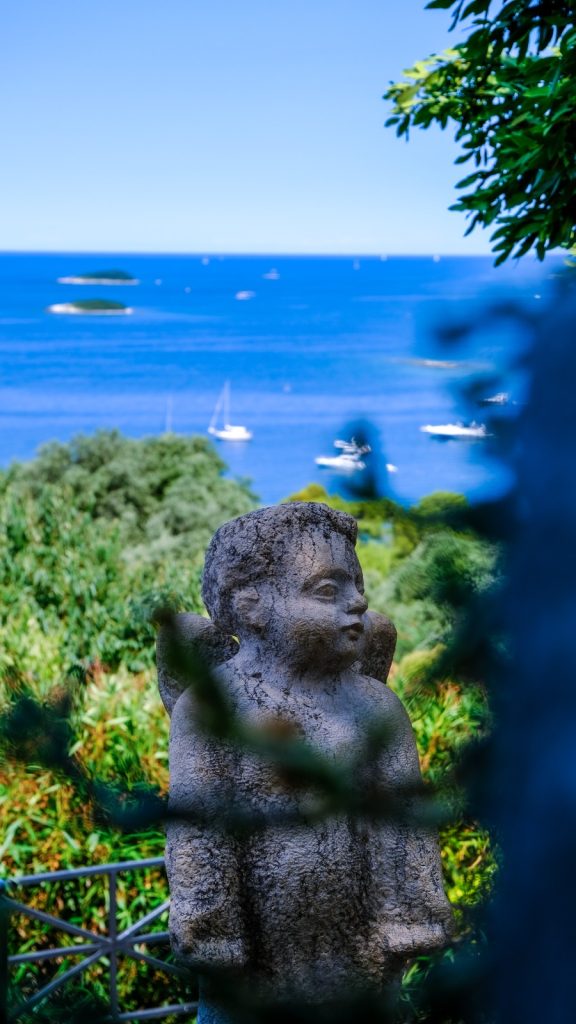
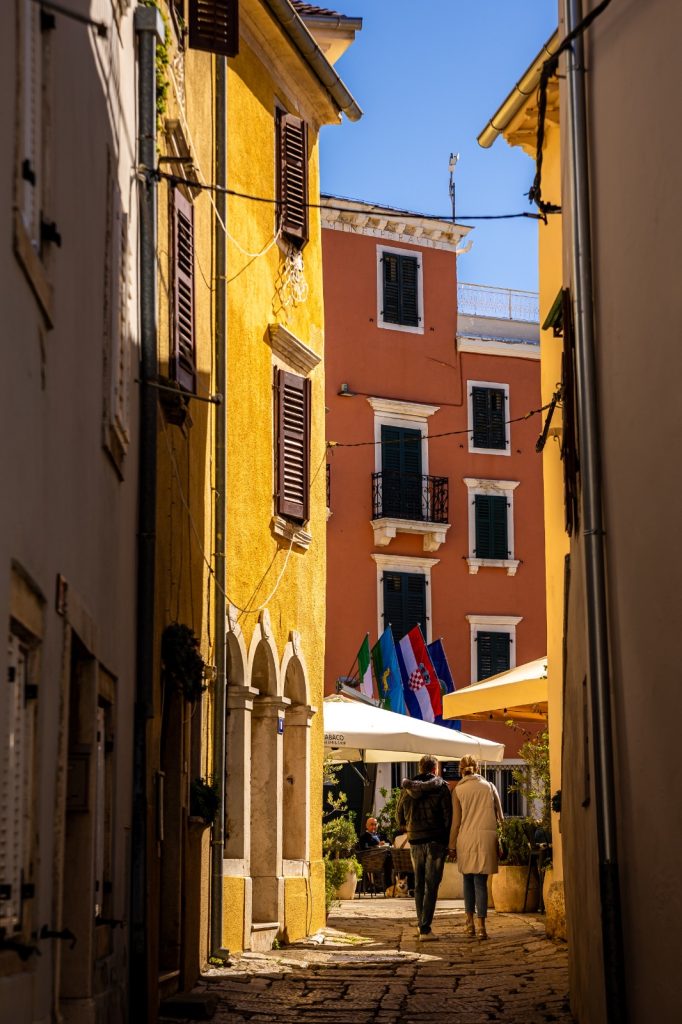
The church and the worn stone staircase I must have slipped down at least fifty times every morning. The smell of freshly baked bread and white coffee at my grandmother’s house. The town beach we reached through a narrow, steep street, where we jumped into the sea from the famous concrete block — though later, just thinking about climbing back up exhausted everyone.
The sea was clear, blue, dazzling. Ice cream at the harbor was unavoidable: lemon and chocolate flavors, right beside the little wooden boats. Tourists rushing chaotically past one another while we children found secret pathways between them.
The Vrsar waterfront has remained forever in my memory because of the smell of the sea, fish, and those long painted sunsets. I think it was here, in Vrsar, that I witnessed the most beautiful sunsets I can remember. Maybe because of those little islands on the horizon. And yes — the very first pizza I ever tasted was here too. Homemade, baked in the oven, made by my parents’ friends.
That was my first Vrsar.
Later, it became one of the places where I learned about art. I learned from great artists. Humble and steadfast. And from my long life experience, I know that the greatest ones usually are.
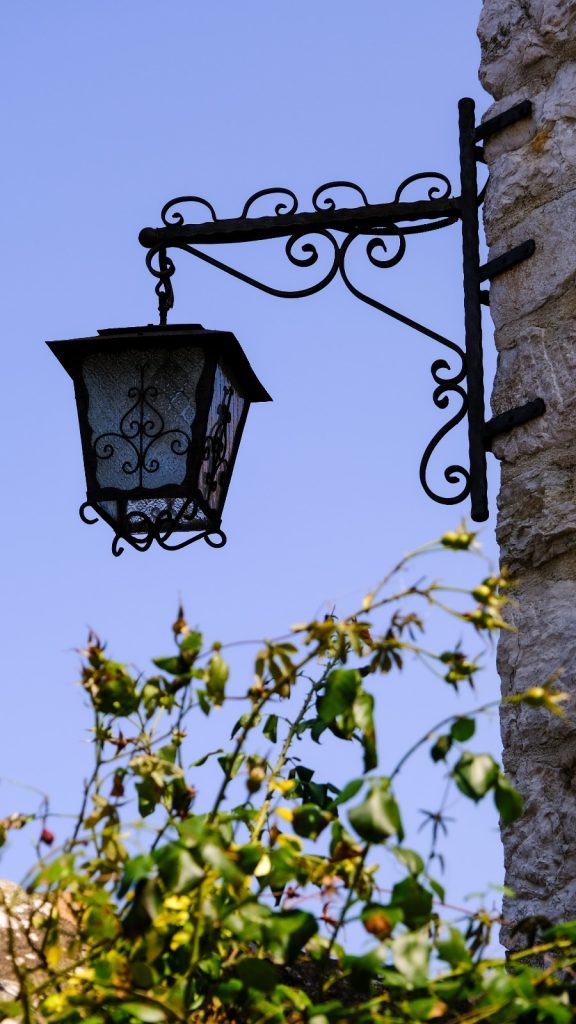
Montraker and Dušan Džamonja
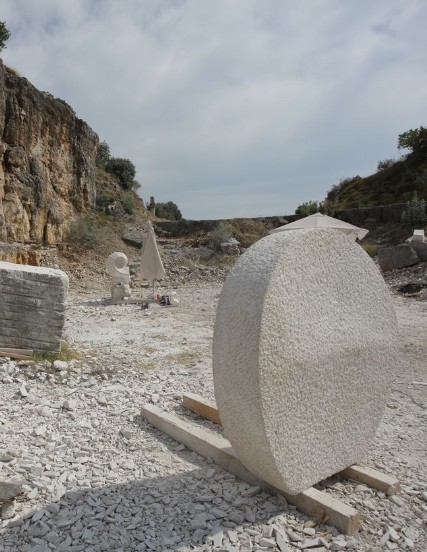
Montraker. The sculpture symposium and Professor Diminić. I was there twice. One of those visits happened during a period of intense love. Art and emotion often happen in the same places.
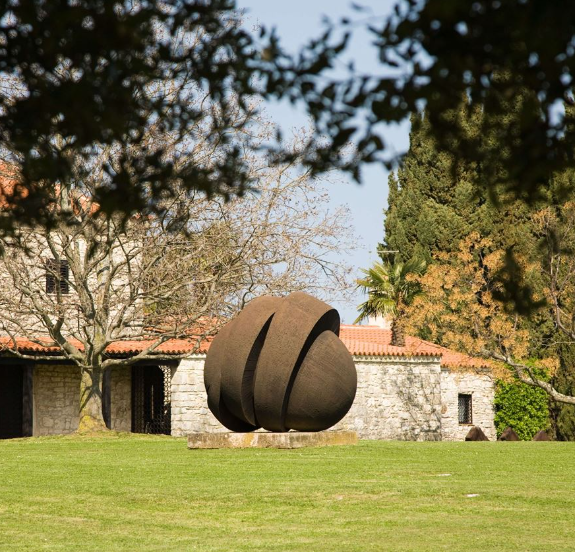
Nearby is also Dušan Džamonja’s Sculpture Park — a space of silence and monumentality, and for me, a place of valuable yet demanding learning in his workshops. Now, when I walk among those sculptures, I realize how important it is for a town to understand art, not just tourism. But I did not think about it that way before.
Žitomir
One of my closest friends, Žitomir, lived in Vrsar. He is no longer with us, but I still hear his voice today.
“What do you think, Žito, is this shot too long?” I would ask him.
He would pause, look carefully, and say:
“Go ahead and shorten it a bit. Somehow, that’s exactly what it needs here, right?”
He was always the first person to watch every music video I made. I would wait to finish editing just so I could show him. His opinion was objective, precise, without unnecessary softness — but always well intentioned.
I love criticism. I do not need people who stroke me with comforting words. I need people who stop me while the process is still ongoing. Two heads are smarter than one. Three smarter than two. Five smarter than four.
Today, that is rarer. People often say, “Oh, it’s great,” and move on. It is easier to love or hate than to stop and truly talk. I seek those conversations. And I recognize when they are absent. Now it is much easier for me to walk away from such places or such people.
Vrsar taught me exactly that — culture is not decoration, but dialogue.
Klara and Casanova in Vrsar
Recently, I sat down with Klara, the director of the Vrsar Tourist Board. Our conversation began precisely with Casanova.
“Did you know that Vrsar already had its own statute back then?” she told me. “That small Vrsar always knew who it was. They protected themselves from disease, controlled the quality of bread, and had bans against gambling and duels.”
I looked at her and smiled. I knew she would understand.
“You see how important order is. It is the foundation of society, regardless of the type of laws.”
We spoke for a long time, on several occasions, about Giacomo Casanova, his visits to Vrsar, and the history that is not merely a romantic legend but a documented fact. About plans. About projects. About how a town must preserve its history, language, and heritage systematically, methodically, thoughtfully.
What fascinates me about Klara is not only her enthusiasm, but the way she thinks. Precisely. Strategically. With deep respect for cultural heritage. For her, Vrsar is not just a tourist destination. It is a space of identity. And that can be felt.
Marko Antonije Mattei Writes a Letter to Casanova
In my first novel, The Gates of Redemption (The Black Oath), there is a chapter in which the Venetian cavalier Marko Antonije writes a letter to his idol, Giacomo Casanova, who at the time is staying in Dux Castle. He asks him for advice regarding Istria.
Everyone in Venice knew about Casanova’s adventures and adventurous spirit. Young men probably sought inspiration and motivation in him. It did not seem strange to me at all to imagine such a scenario as entirely believable.
Casanova replies to the letter and recalls details from Vrsar, where he stayed twice. In the novel I describe that situation in detail, so I do not think the motif is accidental. Just as I do not believe there are coincidences in life.
Casanova has followed me for a long time, and throughout this entire trilogy (The Secret Order, The Holy Truth) I have encountered many facts and historical details that align with one another.
So yes. I am preparing a new novel, and the rough outline is already written.
The novel will be set entirely in Vrsar. Its working title already exists:
The Secret Letter of Giacomo Casanova.
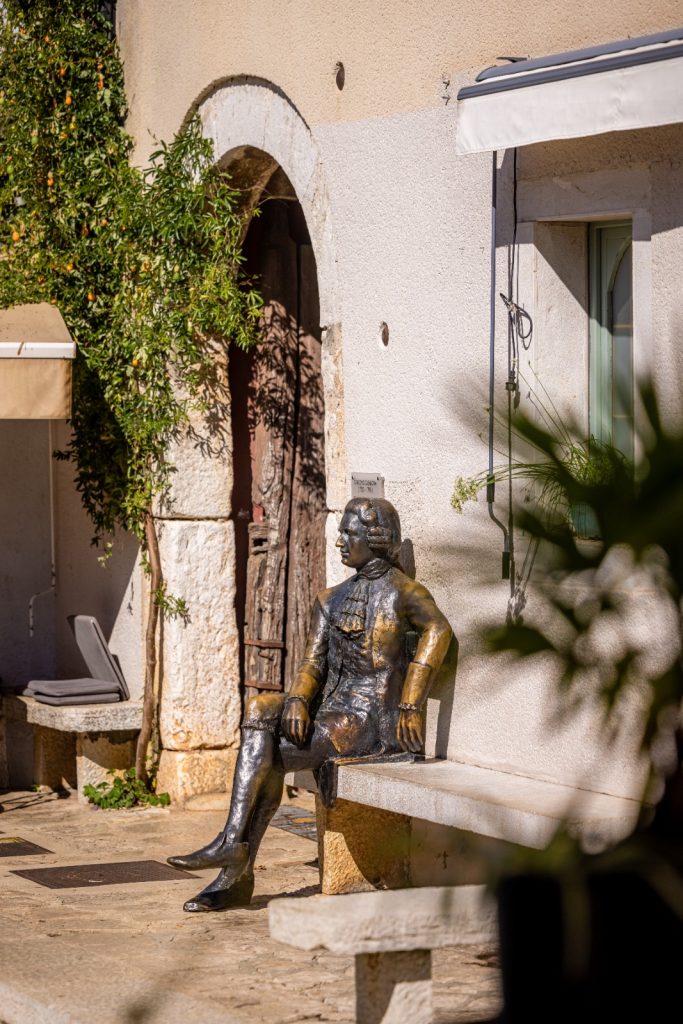
A Conversation with My Sister About Casanova
My sister is currently reading Casanova’s memoirs. She is preparing and researching material. It is no small undertaking — over 3,500 pages and five or six volumes, depending on the edition.
The original memoirs were written in French under the title Histoire de ma vie (The Story of My Life). The edition from the 1960s is considered closest to the original, since earlier versions had been shortened and censored.
She rolled up her sleeves and decided to help me with the research. She is also in contact with the State Archives in Pazin, which regularly participates in symposiums about Casanova. She takes notes, scribbles observations, and is genuinely happy. She loves reading and researching, and for me that is an enormous help while writing.
“Did you know he was very vindictive?” she told me one afternoon over coffee. “And somewhat superficial.”
“Of course he was,” I replied with a smile. “He was only human — and already at a serious age when he wrote those memoirs.”
“He constantly describes himself through emotions and anecdotes. It’s fascinating how many details he remembers so vividly after so many years.”
“That’s what all of us do,” I added. “Don’t we?”
Three centuries apart, and human beings remain the same.
Sensitive. Vain. Intelligent. Sometimes confused. Hungry for recognition.
Perhaps that is why we keep returning to the same stories. Not because they are historical, but because they are human.
Venice, Marcello Mastroianni, and the Cold
Thinking about Casanova reminded me of another encounter — this time with a legendary actor. That was also when I experienced Venice while in love.
We were staying in a small hotel in a narrow street not far from Piazza San Marco — somewhere between Calle Larga XXII Marzo and the silence of canals barely visible from the little bridges. A tiny guesthouse with wooden shutters and the smell of coffee drifting through the staircase.
In the mornings we sat on the terrace at a small table. Coffee, toast, olives, a little prosciutto. A simple Venetian breakfast. Nothing more than that — and love. Nothing else is really needed, is it?
He spoke about theater, Brecht, and the text he was translating at the time. I watched the sunlight dancing across the facades of the narrow street and thought about how little one truly needs when in love.
“You know Mastroianni is somewhere nearby?” he suddenly said.
“I can’t believe it, really?”
“Seriously. He’s filming something. I read about it last night.”
And then we saw him.
We were both stunned.
He stood several meters away, on the other side of the street. He was not in front of cameras. There were no spotlights. He was simply standing there, talking to someone.
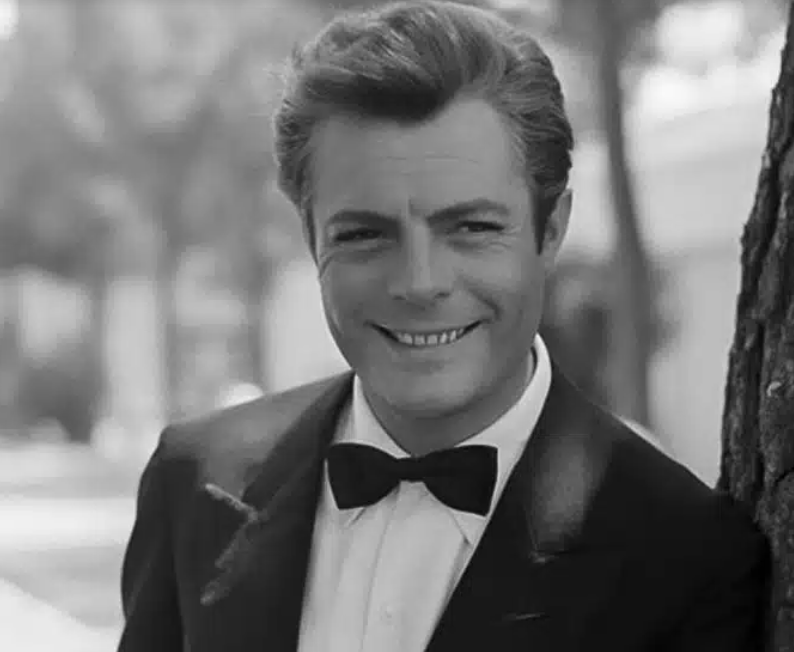
Marcello Mastroianni.
The man who became Fellini’s face. La Dolce Vita. 8½. A man who knew how to remain silent on screen and still say more than others could in ten pages of dialogue.
I watched him as if I were watching a long cinematic shot.
“Imagine that,” I whispered. “He’s just standing there, and everything moves around him.”
I was fascinated by that modesty, and at the same time by the force of charisma surrounding him.
My partner smiled quietly.
“Of course he shines. Otherwise he would never have become so great. Besides, he has to eat breakfast somewhere too.”
That sentence stayed with me.
He has to eat breakfast somewhere too.
Yes. Legends have mornings. They have dark circles under their eyes. They have days without applause.
Later, we spoke about him for a long time. About Fellini. About Antonioni. About how Mastroianni always seemed slightly ironic, as if he knew he was a myth — but did not take it too seriously.
“He is the perfect modern Casanova,” my dramaturge said. “Charming, but aware of his own transience.”
Years later, during the celebration of the year 2000, I was in Venice again. St. Mark’s Square was spectacular. Lights, crowds, the countdown of a century ending. Damp cold crept beneath coats, beneath skin, into bones.
“Never again,” I said, shivering.
But that cold stayed with me. Not as a bad memory, but as a revelation.
Venice is not a postcard. It is a system. Stone, water, moisture, power, and secrecy. A city both magnificent and merciless.
Masks and the Face
Recently, when I walked through Venice again, I was no longer searching for famous actors. I walked slowly and looked at the shop windows.
In the streets around Calle Larga XXII Marzo, masks were displayed. Golden. Red. Feathered. With long beaks. With smiles that were not really smiles.
And something always pierces through me.
I look at those masks behind the glass and wonder — how much easier was it then to hide one’s face? How much easier was it to be someone else? Or has it always been the same?
Today we may no longer wear velvet masks. But we wear others. Social ones. Professional ones. Digital ones. It is rare to see someone’s real face.
Maybe it all began long ago, on that uphill road beside those tomatoes drying in the sun. Beside the scent of the sea and the romantic escapes of Vrsar’s landscapes. Maybe in conversations with Žitomir. Or at Montraker. Maybe in the Ilvo restaurant, where for almost ten years now, traditionally at the beginning of January, I celebrate birthdays with my sister and my friend Olivera.
Or perhaps Vrsar knew all along that I would return to it.
This time through the novel The Gates of Redemption.
Next time through The Secret Letter of Giacomo Casanova.
But one thing I know with certainty:
Behind every myth, there is a human being.
And behind every mask, there is a face.
The only question is whether we have the courage to reveal it.