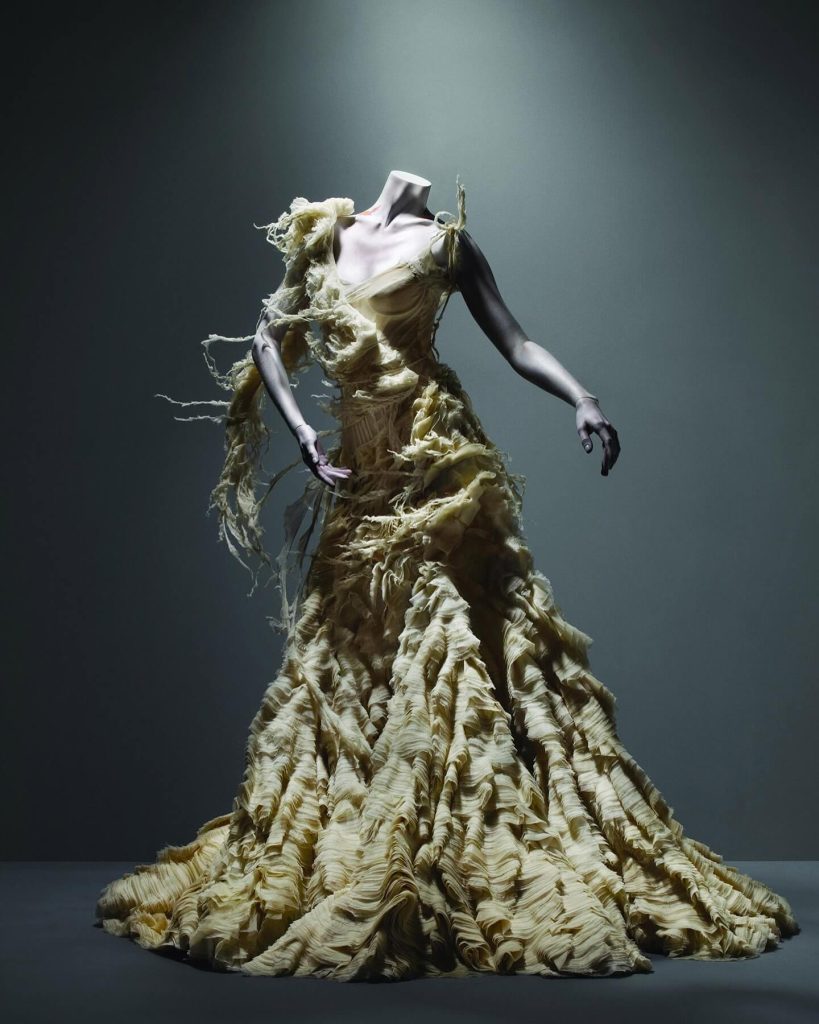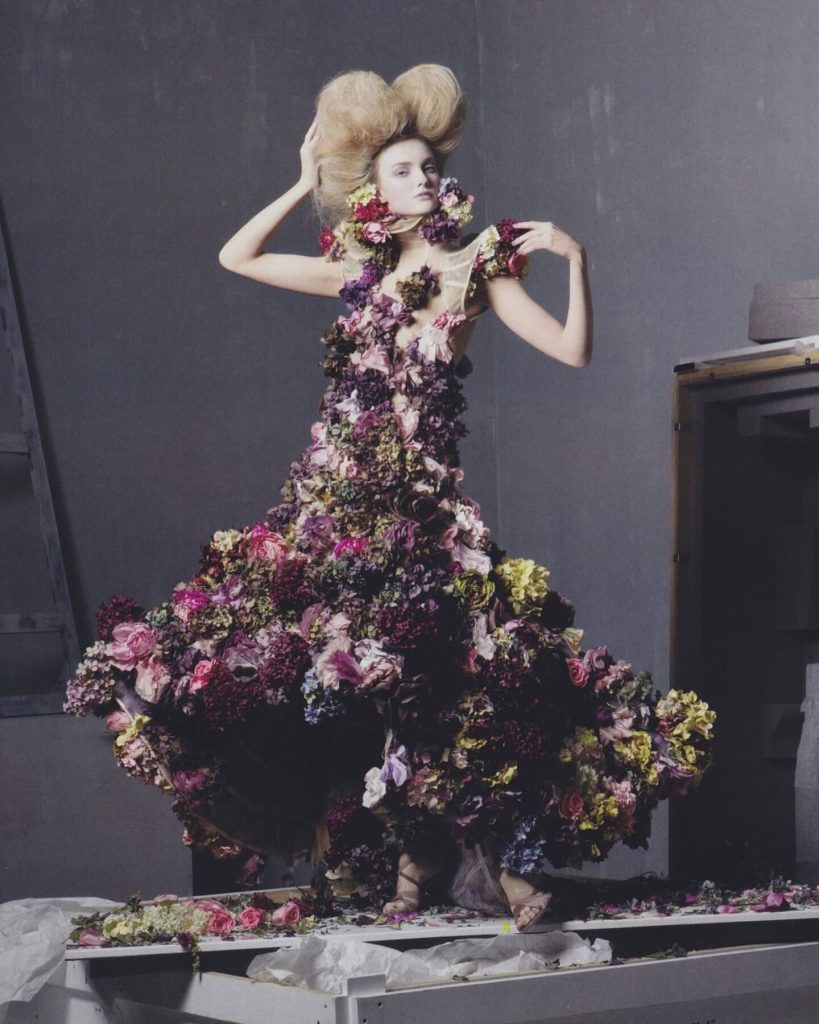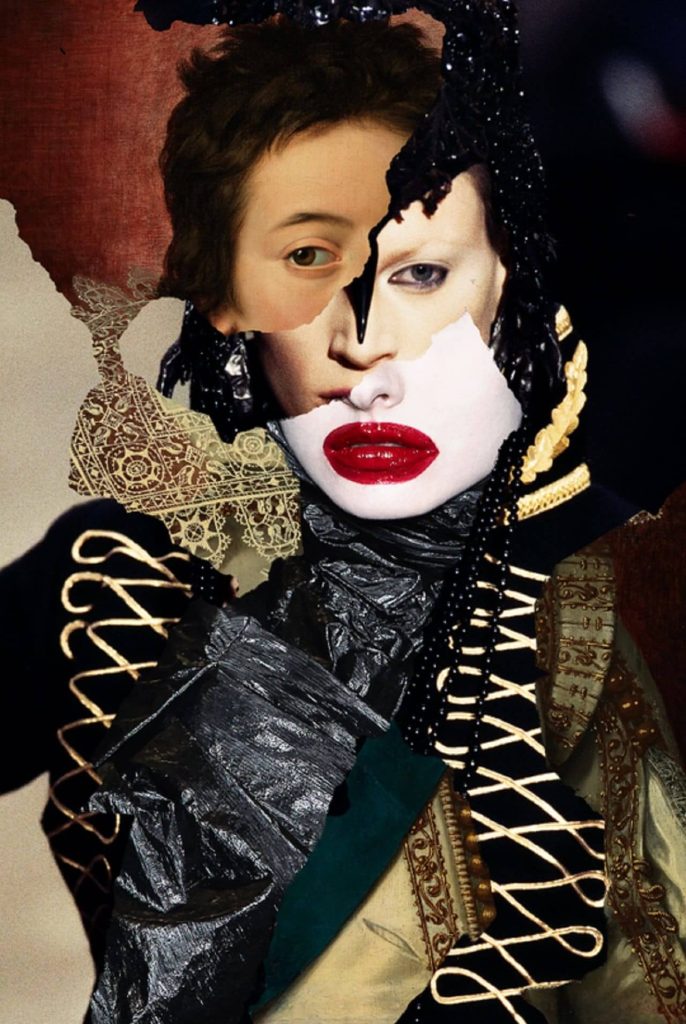



Before he became a globally recognized name, Alexander McQueen was a young London tailor honing his craft on the legendary Savile Row in the early 1990s. He worked for renowned tailoring houses while simultaneously developing his own ideas, far from the spotlight, shaping constructions that would later become the foundation of his distinctive authorial signature.
In 1992, he graduated from Central Saint Martins, and his graduation collection immediately captured the attention of fashion editor Isabella Blow, who recognized his exceptional talent and became one of his earliest supporters. Yet even before international acclaim, McQueen already embodied the qualities that would define him — restlessness, boldness, and a powerful creative vision.
In the early 1990s, the London fashion scene was raw, experimental, and open to new forms of expression. Within this environment, McQueen forged his identity as a designer who did not follow trends but created them. His early collections were dramatic, conceptual, and emotionally charged — closer to performance than to a conventional fashion show.
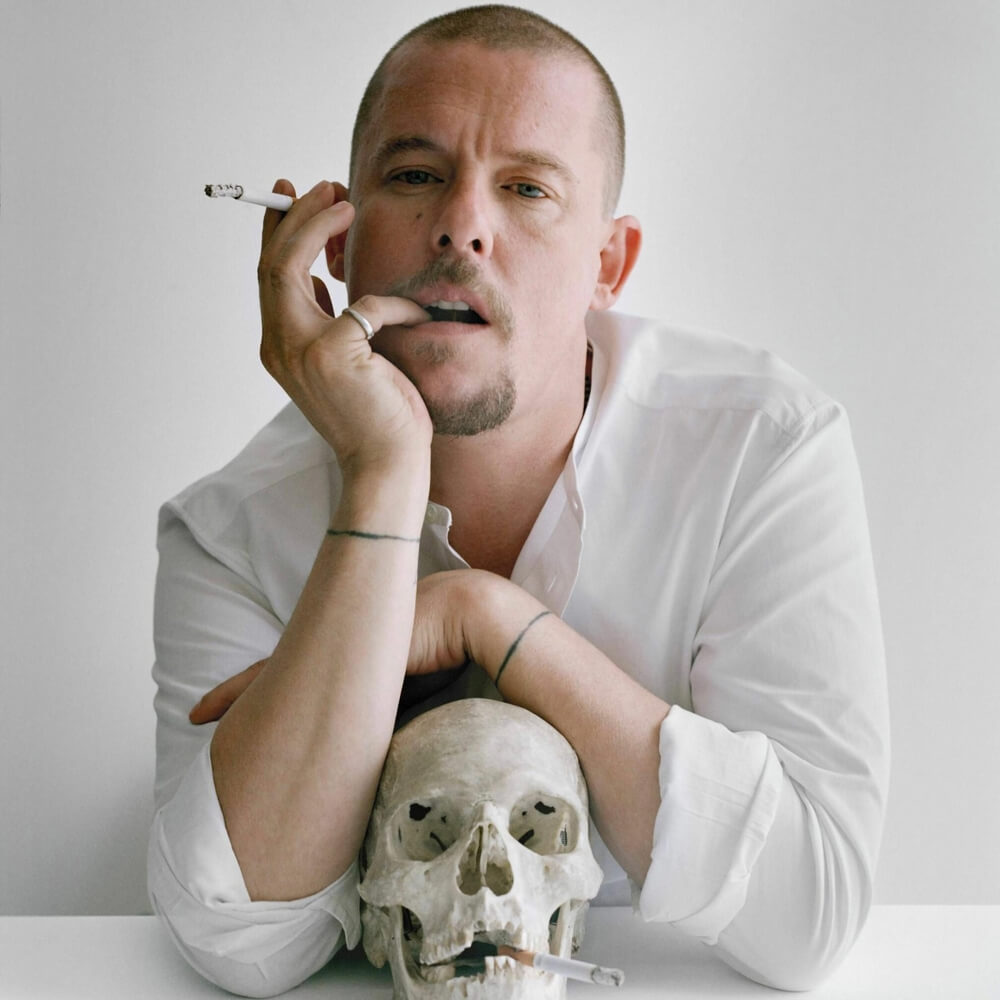
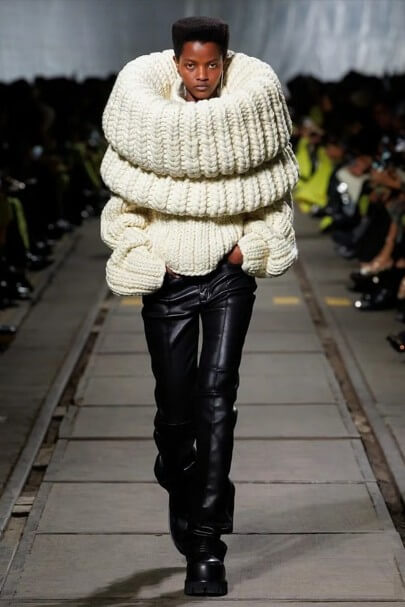

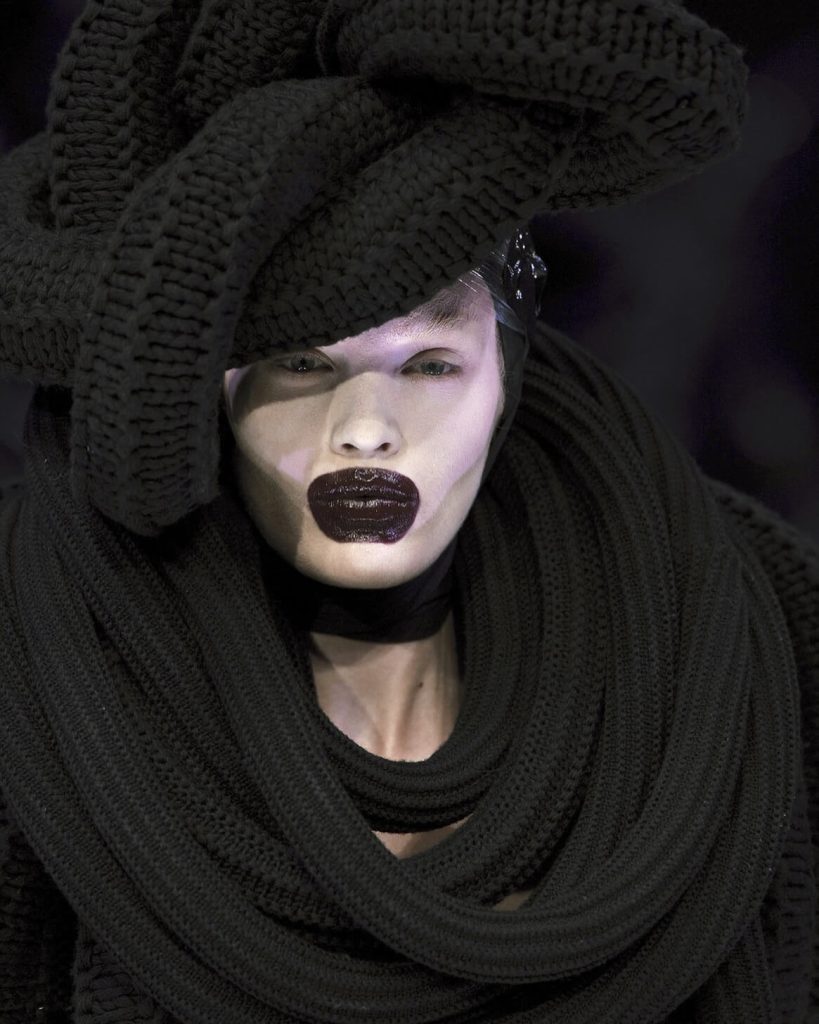
Before global fame, before Givenchy and major international recognition, there was the young, passionate and uncompromising McQueen — a creator in formation, still far from the world’s major spotlights. In that early phase of his career, he appeared as a guest at the Fashion News, Opatija in Croatia (IFF – International Fashion Fair) festival, at a time when the London scene was only beginning to recognize his potential. His presence then may not have carried the weight his name would later hold, but it was already evident that he possessed a powerful vision and unmistakable individuality.
This was McQueen before fashion institutions, before museum retrospectives — a young designer searching for boundaries and pushing them, even when audiences were not yet ready.

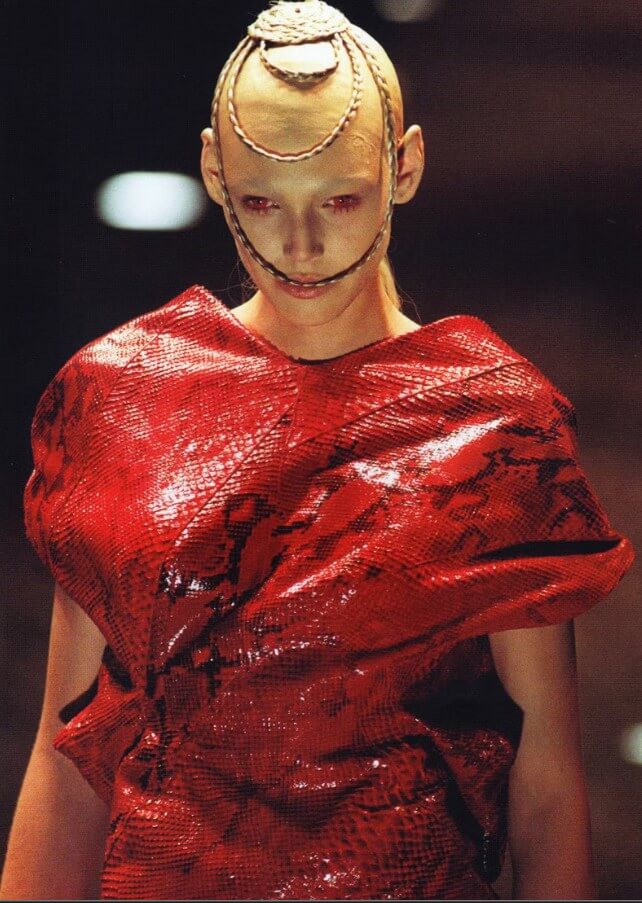

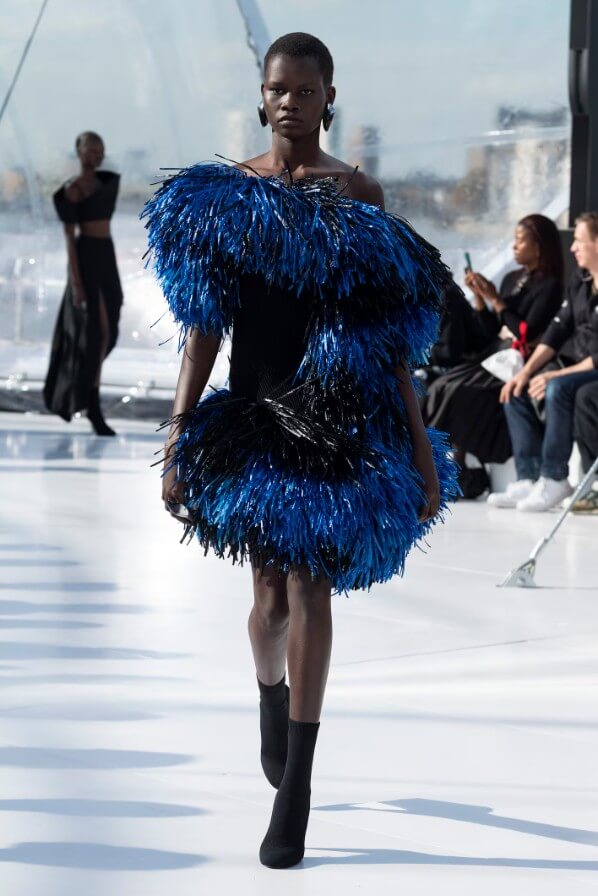
He would later become the chief designer of Givenchy, a multiple award-winning creator and one of the most influential names in contemporary fashion. Yet it was in those early years that the core of his work was formed — the fusion of impeccable tailoring precision with a dramatic, almost theatrical vision of fashion.
Alexander McQueen was not merely a designer. He was an author who transformed the runway into a stage and garments into narrative.